

If you are seeking a HELOC or home equity loan with bad credit can pose challenges, even with ample equity in your property. The pool of brokers and lenders that offer these high risk home equity loans and HELOC for borrowers with low credit scores is limited, so you must be prepared and organized. The Home Equity Mart can help you shop lenders funding bad credit HELOCs and home-equity loans for cash out, construction and high interest consolidating debt.
- Home equity loan or HELOC — your equity can offset weaker credit, since the loan is secured by your home.
- Non-QM options — flexible programs for those with credit challenges or hard-to-document income.
- A co-borrower — adding someone with stronger credit can improve your approval odds.
- Strong equity is your best asset — the more you have, the more lenders are willing to work with you.
- Solid recent payment history helps — on-time mortgage payments can outweigh older credit issues.
- Shop several lenders — approval standards for lower credit vary widely, so one “no” isn’t the final answer.
Let’s consider what what you need to qualify for a low credit home equity loan before initiating the application process. As a potential borrower, you should know the advantages and disadvantages of equity home loans and credit lines so you can accomplish your goal of getting approved.
Can I Get a Bad Credit Home Equity Loan or Line of Credit?

If you have equity in your home and you want to get a HELOC to pay off debt or make home improvements, one of your best options is to take out a second mortgage. A home equity loan is a fixed-rate second mortgage that allows you to take some of your equity in cash. According to BankRate, home equity loans can be acquired in 2026 at a rate of 8% or 9% for the most qualified borrowers.
What if you have below-average credit? Can you still get an equity loan with a poor credit score? Find out the answer below, and talk to one of our loan advisors if you want to know what the minimum credit score for a cash-out home equity loan in 2026.
Poor Credit Home Equity Loan — What You Need to Get Approved
Approval for a poor credit home equity loan comes down to a trade: the weaker your credit score, the more equity the lender demands in exchange. Think of it as a sliding scale rather than a single cutoff. Borrowers above 680 typically reach 85% combined loan-to-value (CLTV). In the 640 to 679 range, most bad credit home equity loan lenders cap you near 80%. Between 580 and 639, expect 70% to 75%. And below 580, you are generally looking at 65% to 70% CLTV with a portfolio or non-QM lender — meaning you need 30% to 35% equity untouched to get a deal done at all. Equity is the compensating factor that offsets a low FICO, which is why “how much equity do you have” is the first question a low credit HELOC underwriter asks.
Credit score alone doesn’t decide it. Lenders also want a debt-to-income ratio at or below 43%, though some stretch to 50% when equity is strong. Expect scrutiny of your mortgage payment history — twelve consecutive on-time payments matters more to a second-lien underwriter than the collection account from three years ago. Add two to six months of reserves, stable documented income, and a written letter of explanation for any derogatory marks, and a marginal file becomes approvable.
Price the trade honestly: a bad credit home equity loan will carry a higher rate and higher closing costs than a prime-credit loan. That may still beat 20%-plus credit card interest — but run the math before you sign.
Bad-Credit Home Equity Loan Requirements
According to RefiGuide, “home equity loans for bad credit” are available to borrower that can show compensating factors and borrower credibility that can be documented. Many people do not realize they can tap their home equity without refinancing. It’s always best to have a good credit score to get the best interest rates for any loan. But if you have bad credit, it still may be possible to get a home equity loan.
Many mortgage lenders may approve you for a home equity loan with a credit score as low as 620. However, you will still need to meet or exceed the requirements for the loan for debt-to-income ratio, amount of equity (at least 20% usually), and income.
Some of the requirements for a bad credit home equity loan are:
• Usually a credit score of 600, but some lenders may offer loans for lower score.
• Bad Credit Equity Loans Available for 500 to 580 credit score if you have more than 20% Equity
• A DTI of no more than 43%, but 50% is possible for some lenders.
• On-time payment of your mortgage for the last year.
• Stable income and employment.
What Are the Benefits of a Home Equity Credit Loan?
Getting a home equity loan with bad credit scores has several benefits and drawbacks:
Benefits
• A home equity loan is a fixed-rate, defined term loan. You will know what your monthly payment is and for how long. This makes it easier to budget and pay down your debt, which can raise your FICO score.
• You can avoid paying higher interest rates: After the Fed raised rates 11 times since 2022, average credit card rates have soared over 20%. With a 9% or 10% rate, you can save hundreds or thousands in interest with a home equity loan. If you have an adjustable rate your monthly payment can go up and that makes budgeting difficult.
• A 2nd mortgages allow you to leave your first mortgage in place. For many homeowners in 2025, they have a lower first mortgage rate than they can get with a refinance. It often makes sense to leave the first mortgage alone and get a home equity loan. Many borrowers do not realize that when you get a cash out refinance, you are getting a new mortgage rate on your initial home loan.
• If you’re using the money for home improvements, the interest you pay could be tax deductible, which can offer a considerable savings at tax time.
• It’s easier to qualify for a home equity loan with bad credit than a personal loan, because the equity loan is secured by your real estate which reduces the risk factor for the lender.
Drawbacks
• You are taking on additional debt: A home equity loan means you are adding to your debt load. You should make sure that your have a steady job and income before taking on additional debt.
• Your rate could be higher: Having a low credit score may mean having a higher interest rate and payment.
• The loan is backed by your home: If you cannot make your payments, the lender can foreclose on your home.
• Closing costs can average between 2% and 5% of the loan amount. These home equity fees and closing costs can vary widely by the lender, so shop around for the best closing cost amounts.
Keep in mind that some lenders may wrap the closing costs into the loan, and you will pay interest on that amount. This is fine in theory, but you should be aware of how closing costs are paid on any loan you are considering.
Our loan advisors will give you the advantages and disadvantages of various home equity loans with bad credit and you will find out why most homeowners choose the equity loan over the unsecured personal loan option.
How to Apply For a Home Equity Loan with Bad Credit
Before applying, you should determine if you can even qualify. Remember, many lenders will require you to have a minimum credit score of 620. If you want to qualify and possibly get a better rate, here are some tips:
• Check your credit score: You can get a home equity loan in some cases with bad credit, but the process will be harder, and the rate will be higher. You will get a better rate with a higher score. So, check your credit score though Annualcreditreport.com before you apply for home equity loans. You can correct errors on your report and get an idea of your recent credit history. If you make on time payments on all of your accounts for a year, it will probably raise your score. You should always know the present score on you credit report before applying for poor credit home loan.
• Find out your equity level: Most lenders require at least 20% equity to qualify for the loan. To find out your amount of equity, take the current home value and subtract your mortgage amount. The lender will rely on the official appraised value of your home, but you can get an idea of the value through your real estate agent. Suppose your home is worth $420,000 and you need to pay $250,000 on the first mortgage. You have $170,000 in equity, and most lenders let you borrow 80%, so you could potentially get a loan for about $86,000.
• Learn what your DTI is: This measures how much your debt is compared to your income. To determine your debt-to-income ratio, divide your monthly debt by your gross income per month. If you have a $6,000 gross monthly income and $2200 per month debt payments, your DTI is about 38%. This is low enough to qualify for most lenders’ home equity loans.
• Consider a current lender: If you have bad credit and want a home equity loan, you may have luck with applying with a lender you currently work with. A loan professional who is familiar with your financial situation may help to present your case more effectively to the underwriter.
• Get a co-signer: If your credit isn’t good enough to qualify for the loan, getting a co-signer could seal the deal. A co-signer with good income and credit can help someone with a low credit score get a home equity loan. However, your co-signer needs to understand that they will have to pay if you cannot.
When to Consider a Bad Credit HELOC
 Another second mortgage option is a home equity line of credit. It also is possible to get a HELOC with bad credit, in some circumstances.
The difference with a bad credit HELOC is it’s a line of credit that you can reuse once you pay it off.
A home equity loan gives you a lump sum of cash that you pay interest on once the loan closes.
On the other hand, a bad credit HELOC only charges you interest on the money you take out.
Remember that a HELOC interest rate is a variable mortgage rate and it could be lower initially than the home equity loan rate. However, HELOCs often come with teaser rates that go up considerably after six or 12 months. The rate could go up or down in the coming years, so if you are risk averse, you may not want a bad credit HELOC. People who want predictable payments may prefer a home equity loan. Our loan providers can offer you both HELOC and home equity loan options and review the pluses and minuses with you.
What Are the Credit Requirements for a Bad Credit HELOC Loans
So, your home is worth more than a few years ago and you have a lot of equity. Rather than waiting until you sell to get your equity, why not borrow some of it today with a home equity line or credit or HELOC?
A home equity line of credit can be just the ticket to get some of your equity to pay off credit cards, renovate your home, and pay for other large-ticket expenses.
But what if you have bad credit? Can you still get a HELOC? Learn more about bad credit HELOCs below, then speak to one of our loan professionals if you need more information or want to apply.
Can You Still Get a HELOC with ‘Low Credit Scores’ in 2026?
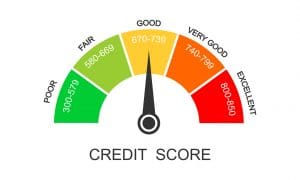
It depends. Many lenders want you to have at least a 680 credit score for the best HELOC rates, and some lenders may not approve the application if your score is lower than that.
However, there are lenders who may consider your application if you have a 580 to 640 credit or even lower scores.
You can expect to have a higher rate and more questions about your application if you have a lower score.
The lender also may want to see a lower debt-to-income ratio (DTI) for those with a lower score.
A DTI of 43% is a common requirement, but they may want to see a lower DTI if your score is below 680. Your DTI is reflected by comparing your total monthly debt payments to your gross monthly income.
How to Get a Bad Credit HELOC Loan
It’s possible to get a HELOC with average or bad credit, but you can expect to pay a higher rate. Here are the steps to, hopefully, being approved for a bad credit HELOC:
• Collect information about your first mortgage: A HELOC lender will need to see your most recent mortgage statement. They’ll want to know your balance and interest rate, among other things. They mainly want to see how much equity you have in the home.
• Check the value of the property: You can check Zillow or Redfin to get a rough idea of what your home is worth. You can also order a broker’s price opinion. However, before giving final approval, the lender will order a home appraisal to get an accurate home value.
• Determine how much you want to borrow: Once you know what the home is worth and how much you owe, you need to know how much you want or can borrow. As noted earlier, the lender will require you to keep 15% or 20% of the equity in the home untouched.
• Write a letter of explanation for bad credit: If your credit score is well under 680, the lender may want to see a written explanation. If you lost your job last year and weren’t able to pay bills, you can explain that and talk about how you have a new job and are back on track financially.
• Apply to several HELOC lenders: Anyone with a credit score below the mid-600s may have difficulty getting an approval. So, you should apply to a few lenders and see if you can get approved.
Focal Points on Bad Credit Equity Loans
A home equity loan can be an affordable way to get the cash you need. It’s a second mortgage that is backed by your home. Lenders usually allow you to borrow up to 80% of your home’s value, and the current best rates in 2024 are in the range of 9%. If you have a low credit score, your rate could be higher. The best way to learn if you can qualify and at what rate is to check with one of our loan professionals today. Contact us for any questions or to apply for a home equity loan.
Home Equity Mart streamlines quotes for home equity loans, catering to borrowers with less-than-perfect credit histories and low FICO scores. Our mission is to assist clients in securing the finest home equity loans online, even when faced with credit challenges. Our array of loan programs encompasses fixed-rate home equity loans, variable-rate home equity credit, and interest-only second mortgages. We link you with premier home equity lenders capable of meeting your requirements for secondary home financing. Our commitment is to make your mortgage experience stress-free, ensuring you return to us for future loans.
You Do Not Have to Have Bad Credit Forever
Home Equity Mart is your best source for securing home equity lending online. Our primary focus is home equity lending, as we connect you to the leading mortgage lenders and home equity brokers who service your local region. Home equity lending encompasses the following: home construction, education, home purchasing, and refinancing credit card debt.
If you already have a great rate on your mortgage, getting a home equity loan may make more sense than getting a cash out refinance. Get approved while the interest rates are low. If your credit score is below the minimum requirements from traditional home equity lenders, consider hard money loans that do not have a minimum credit score requirement. The interest rates are higher but they still may offer benefits and meet your immediate needs for financing.
Is a Home Equity Loan Good for Consolidating Debt and Improving Credit Scores?
1. Pay off as much debt as you can for all your revolving credit accounts. Get your balances down 25% of the credit line limit. Reduce the balances on all credit cards. This is a better strategy than carrying high balance where exceeding more than 30% of your available credit limit would indicate you were a higher credit risk profile.
2. Do not play the transfer game of pushing your balances from one card to another. It always catches up to, and you end up with more revolving debt. Consolidate your credit card accounts to one or two cards and close out other high interest accounts. Refinancing an consolidating your credit card balances will noticeably distort the appearance of your credit utilization.
3. Keep your credit card accounts open and active by using your cards at least once every five months, even if it is for a tank of gas. When you receive the bill for a credit card you do not use that often, make sure to pay the bill in full. Do not close accounts without the advice of a knowledgeable mortgage broker, as doing so may negatively impact the balance of the variables weighed by the scoring model in assessing your risk profile and credit score.
Updated : HEM Editorial Team | July 2026 | Fact-Checked ✓
FAQs on Bad-Credit Home Equity Loans and HELOCs
Which lenders offer home equity loans for bad credit?
Not the big retail banks. Bad credit home equity loan companies are concentrated among portfolio lenders, credit unions, home equity specialists, and non-QM shops that keep loans on their own books instead of selling them. Credit unions are often the most flexible if you already have a deposit relationship. Non-QM and hard money lenders will go furthest down the credit scale but charge accordingly. Because the pool is small, apply to at least three within a 14-day window — mortgage inquiries in that period score as a single event.
Can I use a bad credit HELOC for debt consolidation?
Yes, and it’s the most common reason low-credit borrowers apply. The math is straightforward: swapping 22% credit card interest for a single-digit second-lien rate can cut your monthly outlay significantly. Two cautions. Many lenders will require the payoffs to be sent directly to your creditors at closing rather than to you. And consolidation only works if you stop re-accumulating balances — the credit card debt returning on top of a new second lien is the single most common way this strategy backfires and puts the home at risk.
Can I get a bad credit home equity loan if I’m self-employed?
Often, yes — through a bank statement or non-QM program that underwrites 12 to 24 months of deposits instead of tax returns. This is a lifeline for self-employed borrowers whose write-offs make their taxable income look far smaller than their actual cash flow. Expect a higher rate, a lower CLTV cap, and documentation of your business (licenses, a CPA letter, or a P&L). Pairing a low credit score and non-traditional income narrows your lender pool considerably, so work with a broker who knows which portfolio lenders accept both.
Can you get a home equity loan with bad credit in Texas?
Texas is the hardest state in the country for this. Under the state constitution’s homestead rules, equity access is capped at 80% CLTV regardless of your credit, lender fees are limited to 2% of principal, closing cannot occur sooner than 12 days after application, only one home equity loan is permitted at a time, and the property must be your primary residence. That 80% ceiling means Texas homeowners with poor credit have less room to trade equity for a lower score than borrowers elsewhere. According to John Tappan, “Texas-home equity loans require, strong equity and a clean 12-month mortgage history matter even more here.”
Can I refinance a bad credit home equity loan after my score improves?
Yes, and you should plan on it. Twelve to twenty-four months of on-time payments on the new second lien — plus revolving balances kept under 30% utilization — can move you into a materially better rate tier. Watch for two things before you refinance: any prepayment penalty on your existing loan, and whether your first-mortgage lender’s subordination requirements will delay closing. If your first-mortgage rate is still below market, refinance the second lien alone rather than consolidating both into a cash-out refinance.
What is a Farm Credit home equity loan, and can I get one with poor credit?
Farm Credit System associations — cooperatives regulated by the Farm Credit Administration — lend on rural homes and acreage where many banks won’t. Federal rules define eligible rural homes as moderately priced primary residences in areas of 2,500 people or fewer, and financing can be used for improvements or refinancing existing debt. Borrowers purchase stock (the lesser of $1,000 or 2% of the loan) and may receive patronage refunds that lower the effective rate. Note: Farm Credit lends “to the extent of creditworthiness.” It is a rural-property solution, not a bad-credit program.
Applying for Home Equity Loans and HELOCs with Bad Credit
Our procedure is straightforward: Fill out a brief online request form, and we will promptly link you with 2 to 3 prominent Home Equity Lenders that specialize in bad credit loan programs. Submit your application now for a complimentary, commitment-free home equity quote, and allow us to assist you in achieving your financial objectives today!
The process of applying for a home equity loan with poor credit may seem daunting, but homeowners do get approved all the time with low fico scores. The application process might be different than from most conventional lenders, but if you have compensating factors you may find a lender approving home equity loans with bad credit. Of course you should anticipate higher interest rates and closing costs to offset the inherent risk factors the lenders will be taking on.
Being more educated about home equity loan requirements and eligibility offers a significant advantage. Despite the obstacles, locking into a HELOC or equity loan with damaged credit is within reach.