
Home construction loans have become very popular with the housing shortage across the country. However, not all mortgage lenders offer competitive home construction loans with affordable mortgage rates for people with all types of credit.
Shop and Compare Home Construction Loan Opportunities
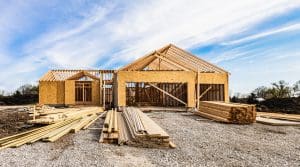 Home construction can be a daunting and costly project that can add a lot of turmoil to your life if you are unprepared.
The financing aspect of home construction is one of the biggest hurdles, so do yourself a favor and align yourself with a lender that specializes in residential financing.
Add value to your home, both monetarily and aesthetically.
What Is a Home Construction Loan?
A home construction loan is a special kind of loan that pays for building a home from the ground up — or for a very large renovation. It’s different from a regular mortgage, and understanding why is the key to the whole topic.
When you buy an existing house, the lender can see exactly what they’re lending against — the house is already there. But when you’re building, there’s nothing to see yet at the start, just land and a plan. That makes the loan riskier for the lender, so a construction loan works differently from a normal mortgage.
The biggest difference is how the money is handed out. With a regular mortgage, you get all the money at once to buy the home. With a construction loan, the money is released in stages as the building gets done — a little after the foundation, a little after the framing, and so on. These stages are called “draws.”
Think of it like a parent giving an allowance for a big school project one step at a time, instead of all upfront — checking that each part is finished before handing over more. The lender does the same thing, often sending an inspector to confirm the work before releasing the next draw.
The Two Main Types of Construction Loans
There are two common kinds, and the difference is what happens when the building is finished.
1. Construction-to-Permanent Loan
This is the “all-in-one” option. It starts as a construction loan while your home is being built, then automatically turns into a regular mortgage once the house is done. The big advantage: you only go through the approval and closing process once, which saves time, effort, and money. For most people building a home to live in, this is the simpler, safer choice.
2. Standalone Construction Loan
This is a short-term loan — usually about a year — that covers only the building phase. When the home is finished, the loan comes due, and you have to pay it off, usually by getting a separate regular mortgage. That means going through approval and closing twice, with two sets of costs. It can make sense in certain situations, but it’s more work and often more expensive overall.
How Paying Works During Construction
Here’s something that surprises many first-time builders: during the building phase, you usually don’t make normal full mortgage payments.
Instead, because the money is released in stages, your payments during construction are often smaller and based only on the amount that’s actually been drawn so far. As more of the loan is used to pay builders, the amount you owe grows, and so does the payment. Once the home is finished and (with a construction-to-permanent loan) the loan becomes a regular mortgage, you begin normal monthly payments.
This is very different from a regular mortgage, where your payment is the same from day one. Ask your lender to explain exactly how payments will work during your build, so there are no surprises.
Is It Harder to Get a Construction Loan?
Yes, usually. Because building carries more risk than buying an existing home, lenders set a higher bar. Compared to a normal mortgage, a construction loan often requires:
- A stronger credit history than many regular mortgages ask for
- A larger down payment
- Detailed plans and a budget, showing exactly what you’ll build and what it will cost
- An approved, licensed builder, since lenders want confidence the home will actually get finished
Because of these extra steps, it’s smart to work with a lender who specializes in construction financing. They’ll know how to guide you through the plans, the draws, and the inspections.
Construction Loan vs. Using Home Equity
If you already own a home, there’s another path worth understanding — and it’s important not to confuse the two.
A construction loan is mainly for building a brand-new home, often on land you’re developing. It’s complex, released in stages, and has stricter rules.
But if you’re doing a large remodel or addition to a home you already own, you might not need a full construction loan at all. You could instead borrow against the equity in your current home. Equity is the part you own, and the simple math is:
What your home is worth − what you still owe = your equity.
For many improvement projects, a home equity loan (a lump sum) or a HELOC (borrow as you go) is simpler and less expensive than a construction loan. A HELOC is especially handy for projects paid in stages, since you draw only what you need. If your project involves adding real value — like an addition or a major remodel — compare these options first. You can also see how they stack up against replacing your whole mortgage at cash-out refinance vs. HELOC.
A home construction loan pays for building a home in stages, with money released as the work gets done. A construction-to-permanent loan keeps things simple by rolling into a regular mortgage when you’re finished. Because building is riskier, expect stricter requirements and a more involved process — so a specialized lender helps. And if you already own a home and are simply remodeling, tapping your equity may be the easier, cheaper route. Understand your options, read every disclosure, and choose the path that fits your project and your budget.
FAQs for Home Construction Loans
How is a home construction loan different from a regular mortgage?
The main difference is timing and risk. A regular mortgage gives you all the money at once to buy a home that already exists. A construction loan releases money in stages, called draws, as your home gets built — often with an inspection before each stage. Because there’s no finished house to lend against at the start, construction loans are riskier for lenders, so they require stronger credit, a bigger down payment, and detailed building plans. During construction, your payments are usually smaller and based only on what’s been drawn so far.
What’s the difference between a construction-to-permanent loan and a standalone construction loan?
It’s about what happens when building finishes. A construction-to-permanent loan starts as a construction loan and then automatically becomes a regular mortgage once your home is done — so you only apply and close once, saving time and money. A standalone construction loan covers only the building phase and then comes due, meaning you must pay it off, usually by getting a separate mortgage. That’s two approvals and two sets of closing costs. For most people building a home to live in, the all-in-one construction-to-permanent option is simpler.
Can I use a home equity loan or second mortgage for construction?
Sometimes, and for the right project it’s often simpler than a construction loan. If you already own a home with equity, a home equity loan or a second mortgage can fund a large remodel or addition using the value in your current home. A HELOC works well for staged projects, since you draw only what you need. These are usually easier to get than a full construction loan. But building a brand-new home from scratch typically still calls for a true construction loan. Match the financing to the size and type of your project.
Is it harder to qualify for a construction loan?
Generally yes, because building carries more risk than buying an existing home. Lenders often want a stronger credit history than a regular mortgage requires, a larger down payment, detailed plans and a budget, and an approved, licensed builder. They want confidence the home will actually get finished as planned. All of this makes the process more involved, which is why it helps to work with a lender who specializes in construction financing. Good preparation — clear plans, a solid builder, and organized finances — makes approval much smoother.
Do I make monthly payments while my home is being built?
Usually, but they work differently than a normal mortgage payment. Because a construction loan releases money in stages, your payments during the building phase are often smaller and based only on the amount drawn so far. As more money is used to pay builders, the balance and the payment grow. Once the home is finished — and with a construction-to-permanent loan, once it converts to a regular mortgage — you begin standard monthly payments. Ask your lender to walk you through exactly how payments will change from the build phase to the finished home.
Home Equity Mart celebrates your visions and we want to turn your building dreams into a reality that you will be able to enjoy for many years to come.
Updated : HEM Editorial Team | July 2026 | Fact-Checked ✓